Automation of Industrially Relevant 3D Geometry Thermoplastic Composite Welding
TWI Industrial Member Report 1222-2026
By Chris Worrall and Man Chi Cheung
Industrial Need
Industry requires robust joining technology for real three-dimensional components, often with complex geometry. Laboratory innovation and prototype joining solution are often generated and evolve in a flat two-dimensional (2D) geometry, with easily-fabricated laminates, simple static jigs or pressure applicators. Although demonstration of the feasibility in the laboratory at up to TRL 3/4 is of value, industry needs to see the technology working on real geometry components ie three-dimensional geometries (3D). Furthermore, most industrial joining processes will require significant automation in order to make them economical and reliable.
Current thermoplastic welding is carried out in only a few industrial applications, such as aerospace and automotive, but the poor understanding of the processes has resulted in a great deal of effort being required to develop a working process. Recent projects carried out through the ‘Clean Sky 2’ Multi-functional Fuselage Demonstrator (MFFD) programme have been focused of producing a next generation thermoplastic composite aircraft fuselage, and TWI has been a partner in one of these; the TC-Tool project. That project consortium successfully developed an automated adaptive tooling to manipulate the fuselage skin while long stringers were put in place and welded. Significant challenges have had to be overcome, not only in the welding steps, but also in the automation. Similar challenges arise in oil and gas, automotive as well as aerospace applications, as shown by common 3D joining applications.
All these industrial applications require significant levels of automation in order to deliver high quality products in high volumes. This CRP project offers a means to improve both the rate and quality of a weld, through over 20 years of welding and innovation in welding, but where TWI currently lacks a capability to progress these lab-scale feasibility gains into valuable opportunities without including large contingency.
Key Findings
- Demonstrated a capability to weld 3D (curved) geometries, and the ability to weld element level components relevant to industry
- Demonstration of producing 3D geometry welds with equivalent strength to 2D (flat) joints
- Demonstrated the adoption of elements of automation to the welding process that is appropriate to industries requirements for high volume/high quality composites joining
Impact
The project has met the three main objectives set out at the start; TWI’s has a capability to perform 3D (curved geometry) thermoplastic composite welding with equivalent strength values reported compared to baseline 2D (flat geometry) welds. A level of automation has also been demonstrated through the incorporation of thermal imaging control of the process.
The objective not met in full during this project was the creation of an equivalent capability to other TWI technologies where robotics are employed (NDT, friction processes, thermal spraying, laser processing etc). However, this project has provided the justification for the acquisition of a robotic system, which has now been completed through TWI CDP funding, and the robotic welding of 3D geometries is now being developed through the PLEIADES collaborative project currently being delivered in the new TWI Digital Thread Laboratory. It is expected that this will lead soon to an equivalent capability for thermoplastic composite joining.
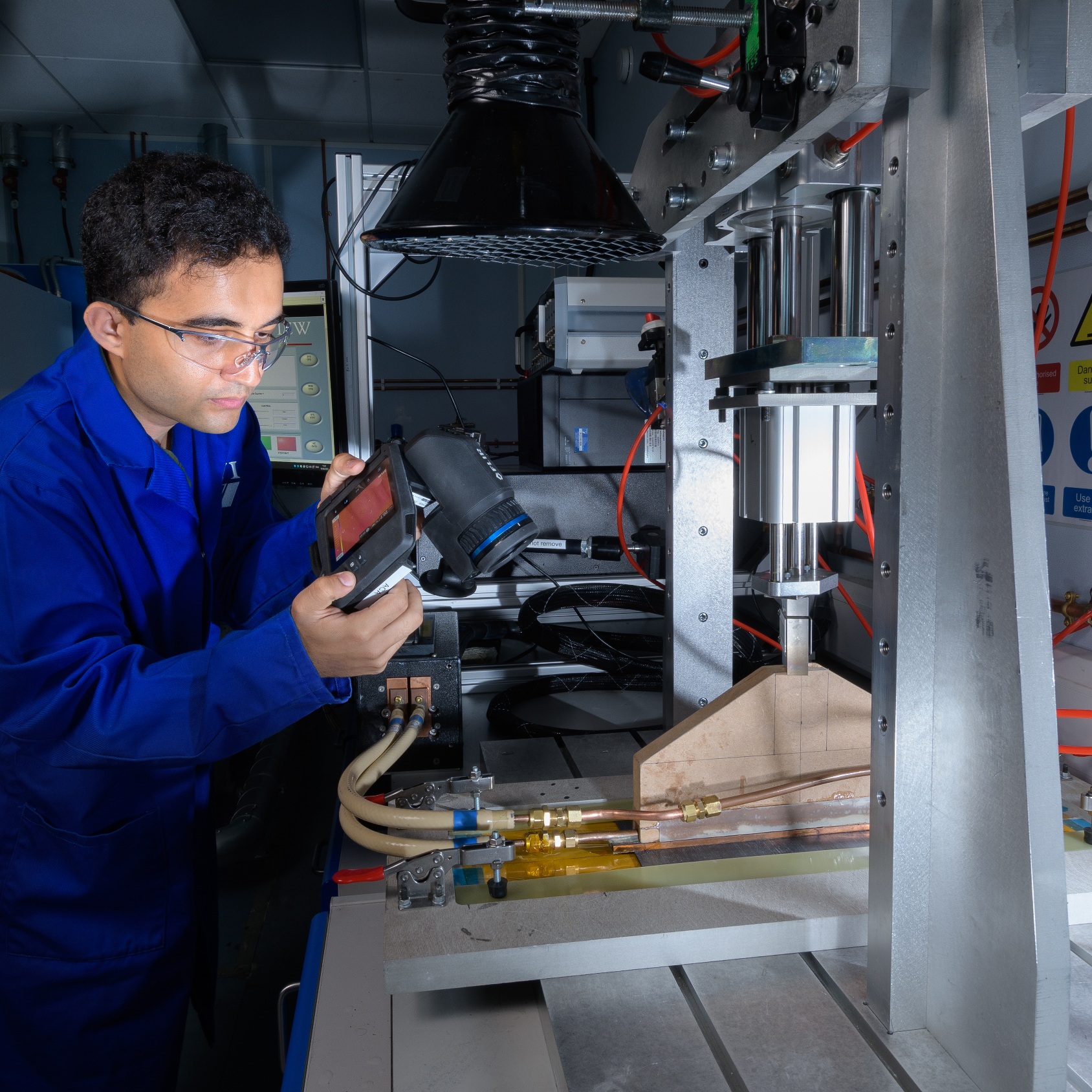
Figure 1: Set-up for 2D joint manufacturing (copyright TWI Ltd)
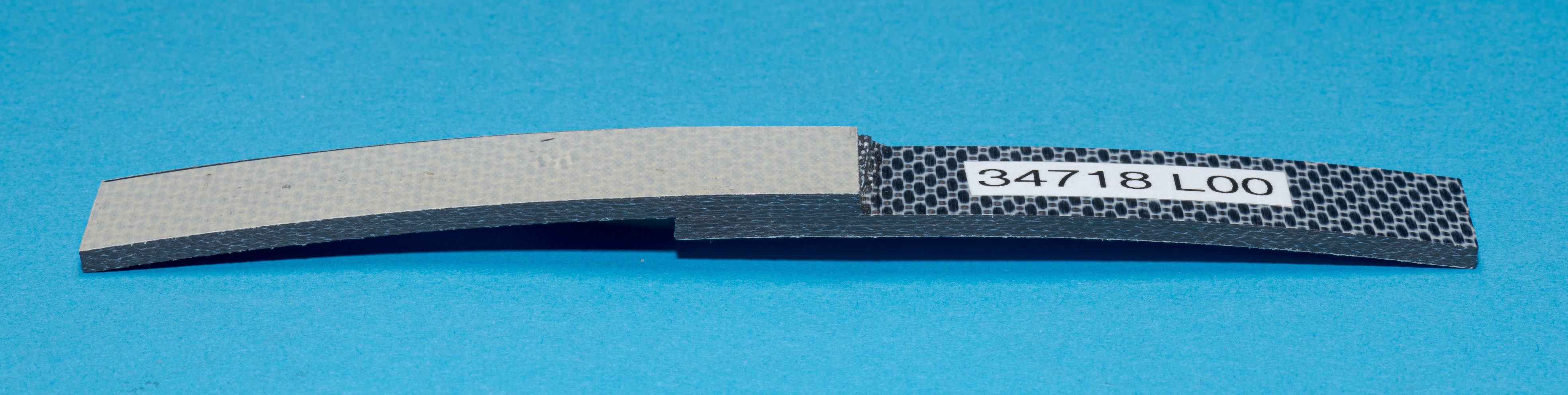
Figure 2: Side view of 3D single-lap shear specimen L00 (copyright TWI Ltd)
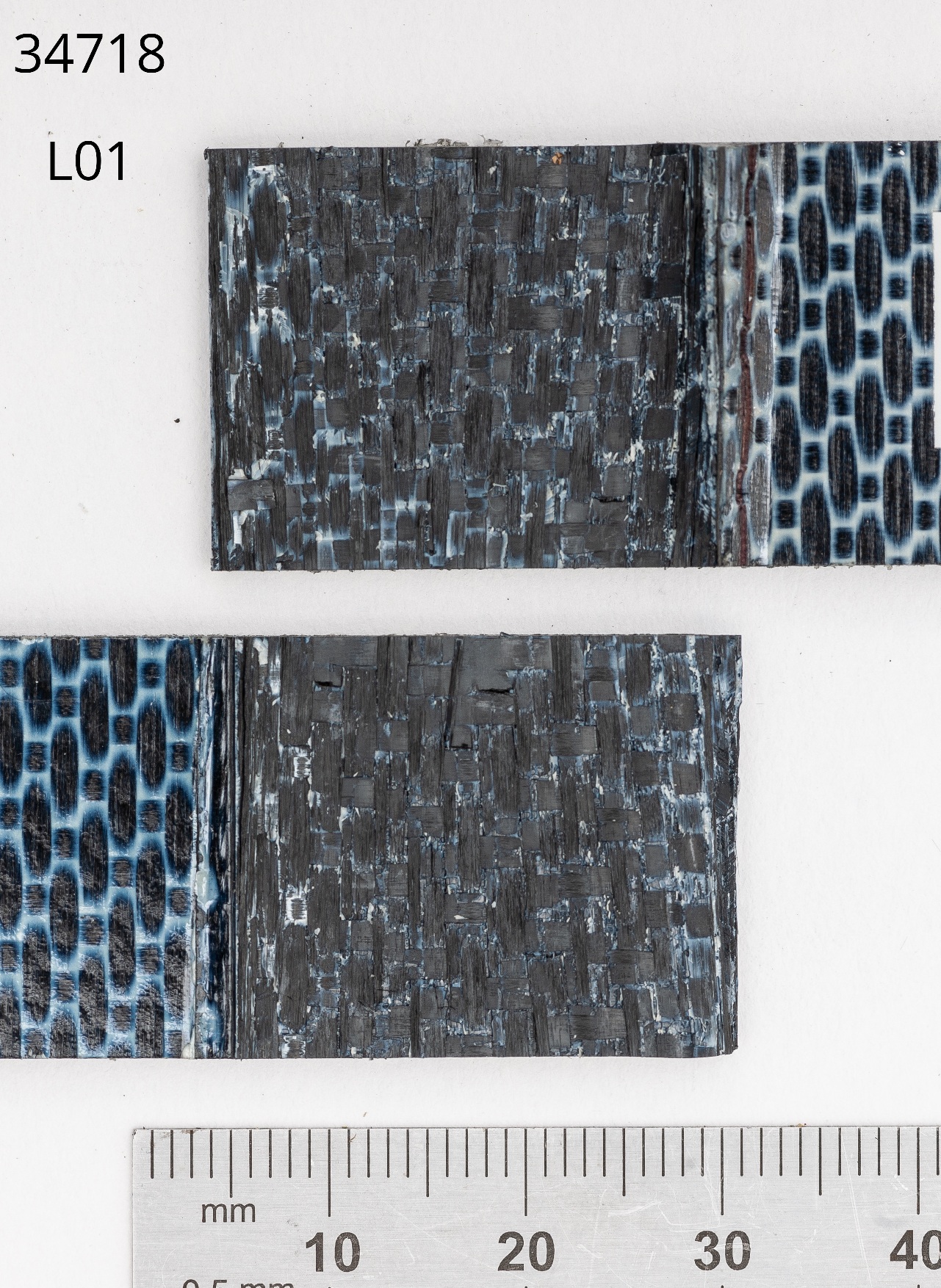
Figure 3: Fracture surface of specimen L01 (copyright TWI Ltd)