Mon, 10 August, 2026
As the welding industry evolves, so does the need for smarter, safer and more effective ways to prepare the next generation of skilled welders.
Traditional hands-on welding practice remains essential, but introducing learners to welding fundamentals before they enter the workshop can help build confidence and improve learning outcomes. This is where TWI’s Augmented Reality Training (ART) provides a valuable addition to conventional welding education.
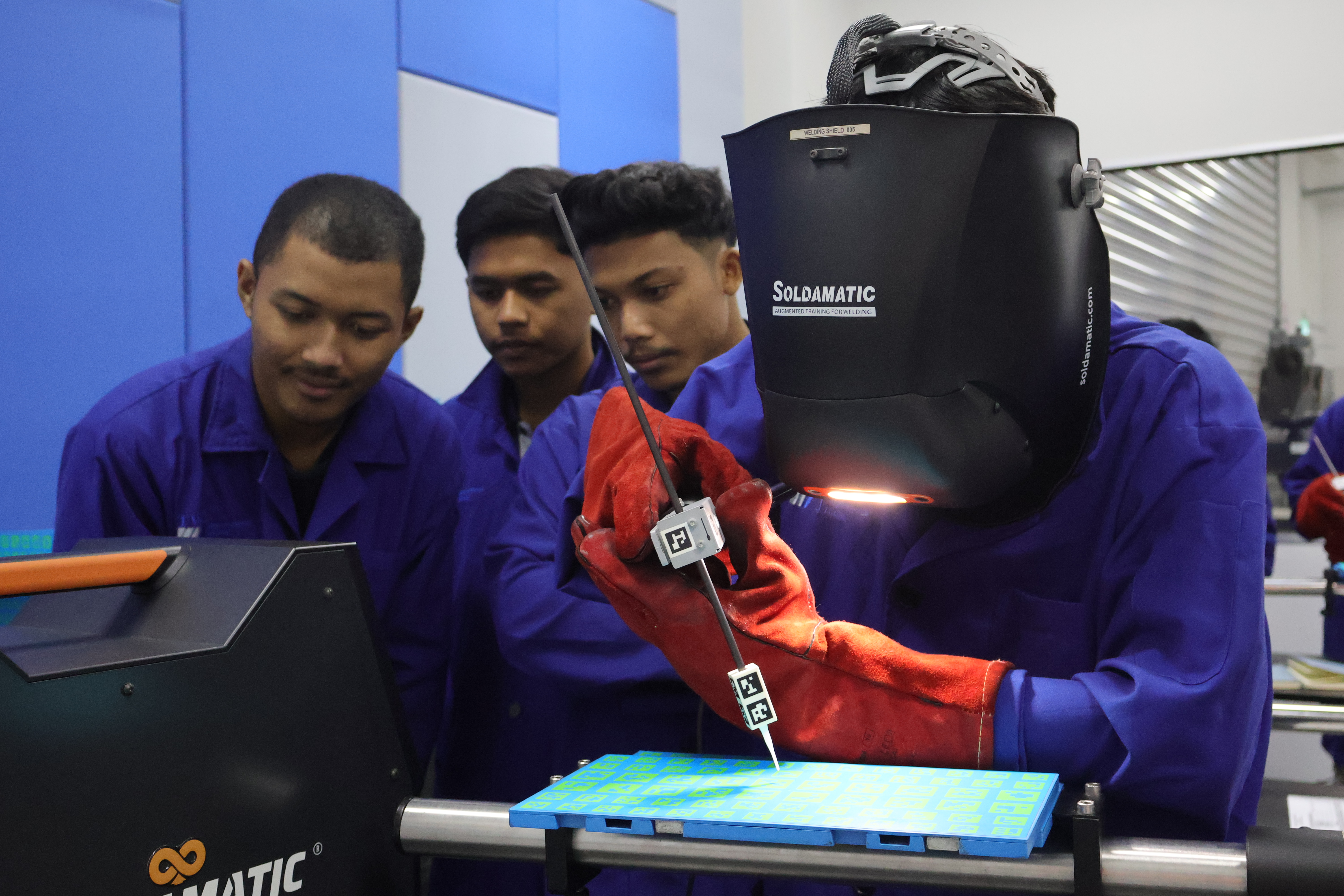
Bridging the Gap Between Learning and Practice
TWI’s Augmented Reality Training is designed to complement hands-on welding practice through an immersive and interactive learning experience. By using augmented reality technology, learners can explore welding techniques, understand essential principles and practise key skills in a safe and controlled environment before progressing to live welding.
This early-stage exposure allows students to become familiar with welding processes and techniques, helping them approach practical training with greater confidence and a stronger understanding of the fundamentals.
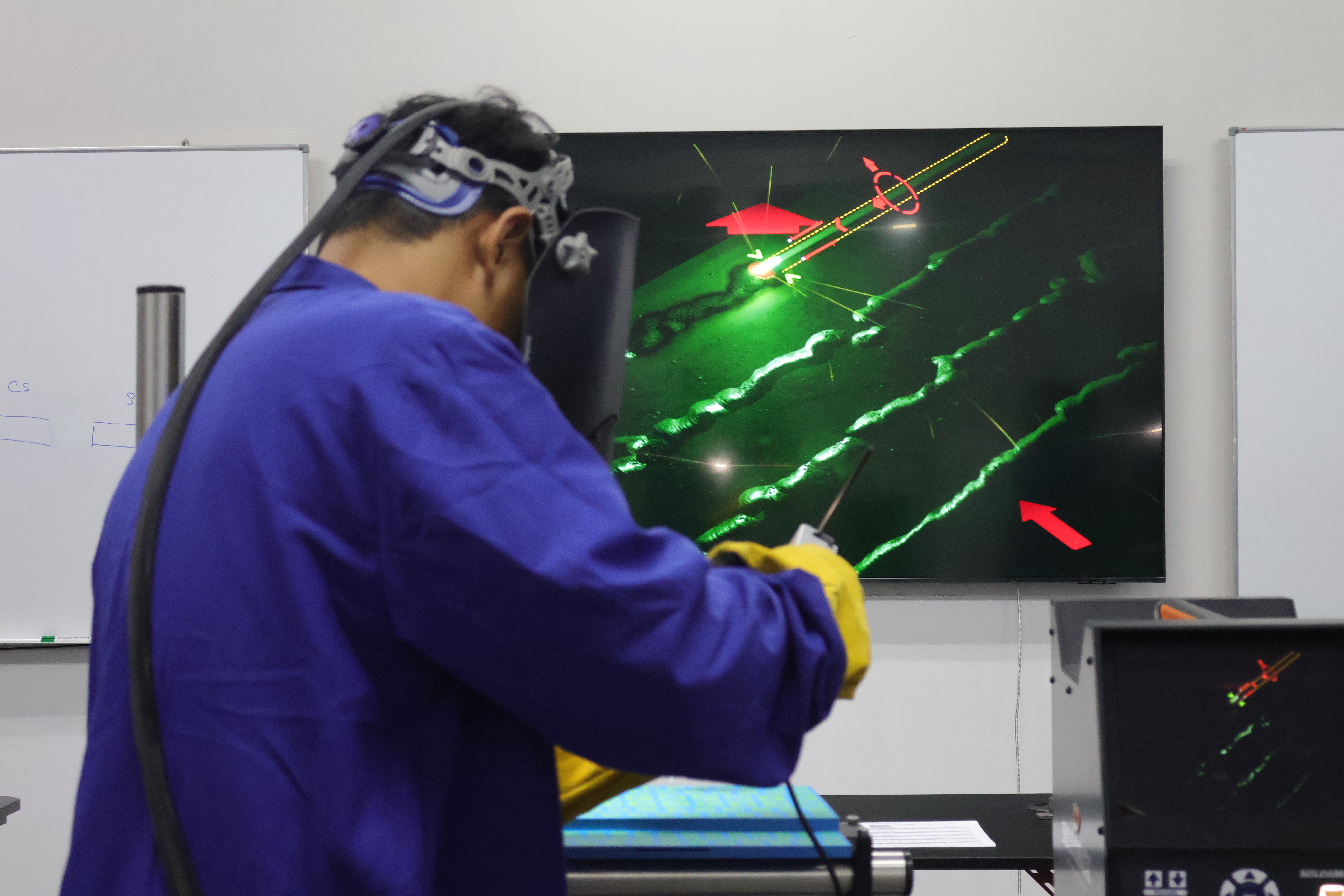
Why Integrate AR into Welding Training?
Integrating AR into welding education can provide several benefits for both learners and instructors:
- Reduce material and consumable usage – Learners can practise fundamental techniques during the early stages of training without relying solely on physical materials and consumables.
- Enhance safety – Beginners can develop their understanding and technique without immediate exposure to live welding hazards, creating a safer environment for initial learning.
- Provide real-time guidance and feedback – Interactive training can help learners identify areas for improvement and receive immediate feedback as they develop their technique.
- Improve learning efficiency and instructor monitoring – AR-based training can support instructors by providing additional insight into learner progress, allowing training to be better tailored to individual needs.
- Prepare trainees for real-world applications – By developing fundamental knowledge and confidence before entering the workshop, learners can make a smoother transition into practical welding activities.
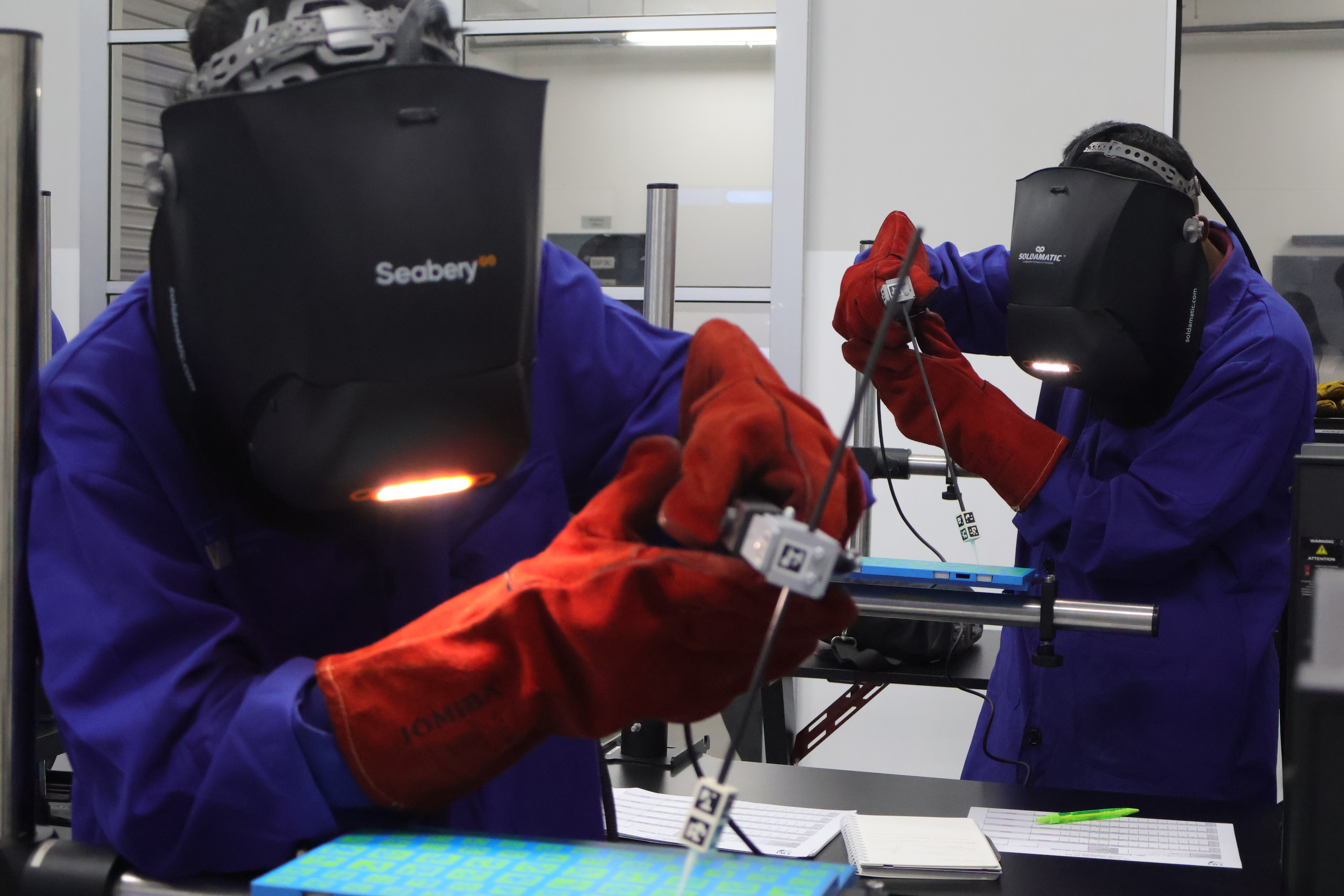
Technology That Enhances, Not Replaces, Practical Training
Augmented reality is not intended to replace practical welding experience. Instead, it provides an additional layer of learning that helps students make better use of their time in the workshop.
By combining immersive AR learning with real-world welding experience, training providers can create a more engaging, efficient and effective pathway for developing welding skills.
As the industry looks towards new approaches to workforce development, technologies such as AR have the potential to transform how welding education is delivered — helping prepare learners with the knowledge, confidence and practical foundations they need for the workplace.
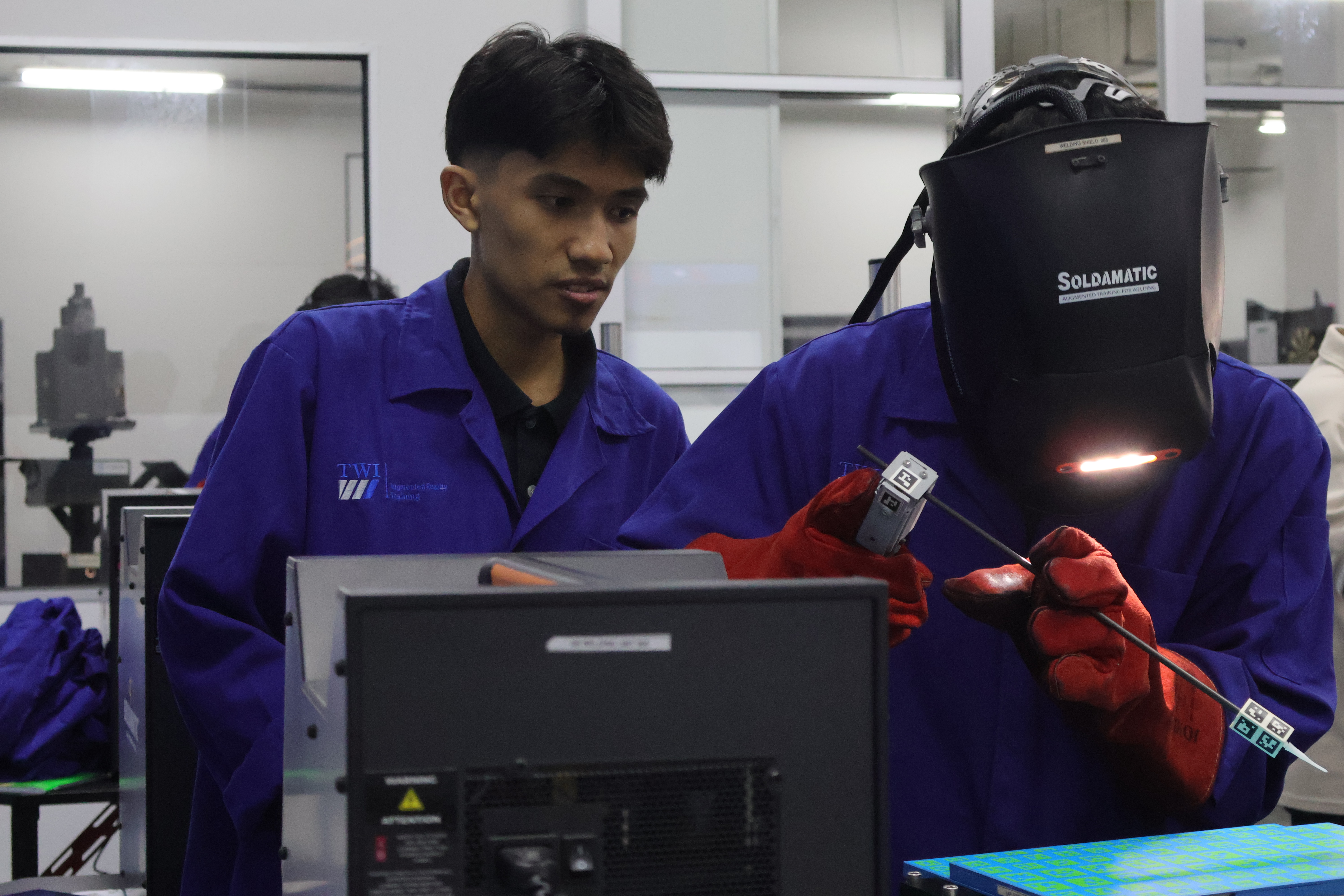
Discover Smarter Welding Education
Discover how TWI’s Augmented Reality Training (ART) is helping transform welding education and workforce development through innovative AR solutions.